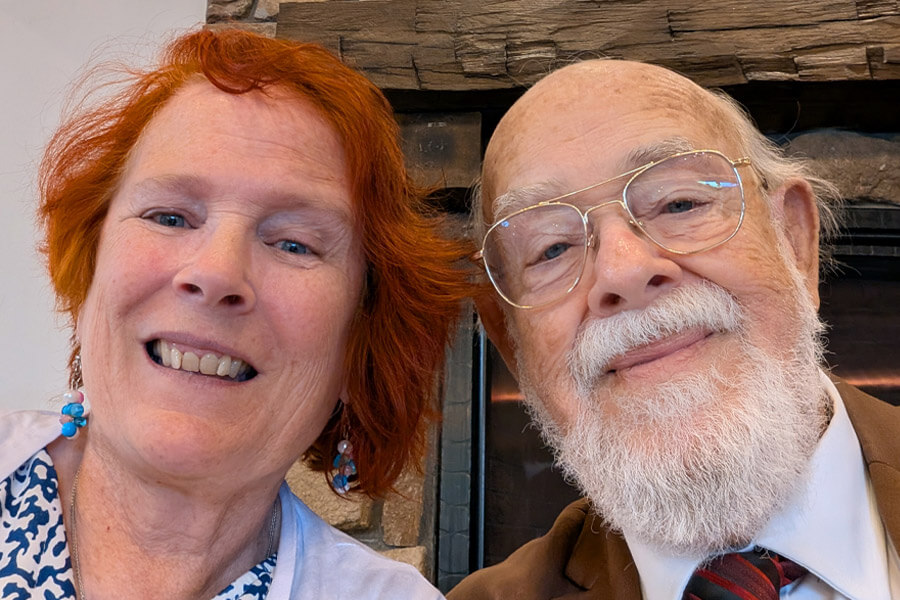
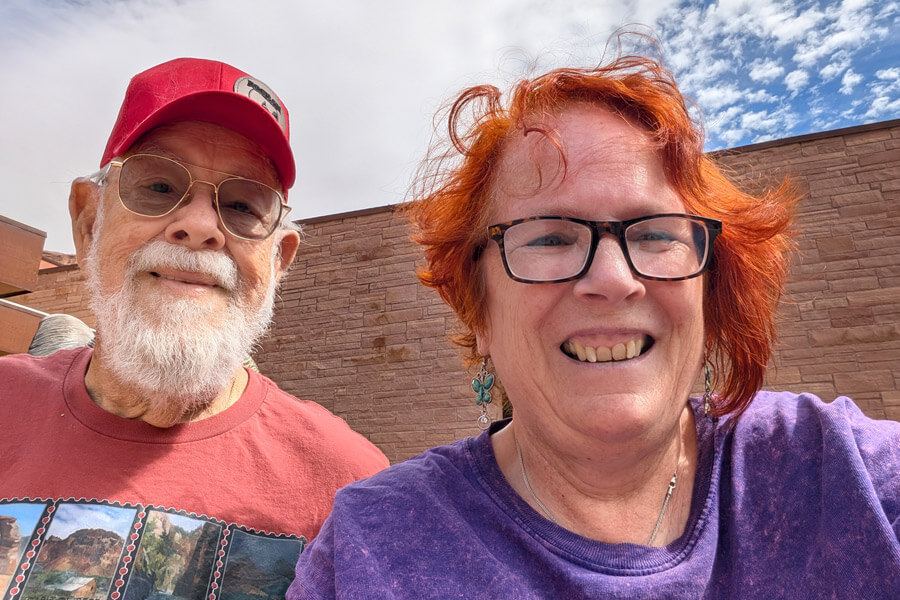
For Mike and Liz Cress, Workamping has never been simply about finding a place to park their RV. It’s a way to explore America’s most interesting destinations, keep travel expenses low and meet people from across the country and around the world.
Over the course of approximately 11 years of RVing and Workamping, the retired couple has worked in Alaska, Arizona, North Dakota and Utah. They spend their winters at their Florida home and their summers working in destinations they want to explore.
“We can travel throughout the United States and see all the different cities, states and parks, and keep costs low by working a few hours for a nice campsite,” Liz explained.
They enjoy discovering how much they have in common with people they meet along the way. Guests often have connections to places the couple has lived or visited, providing a natural starting point for conversations.
“It’s a great way to travel the USA and Canada to see all there is to see and meet all different kinds of people,” Mike explained.
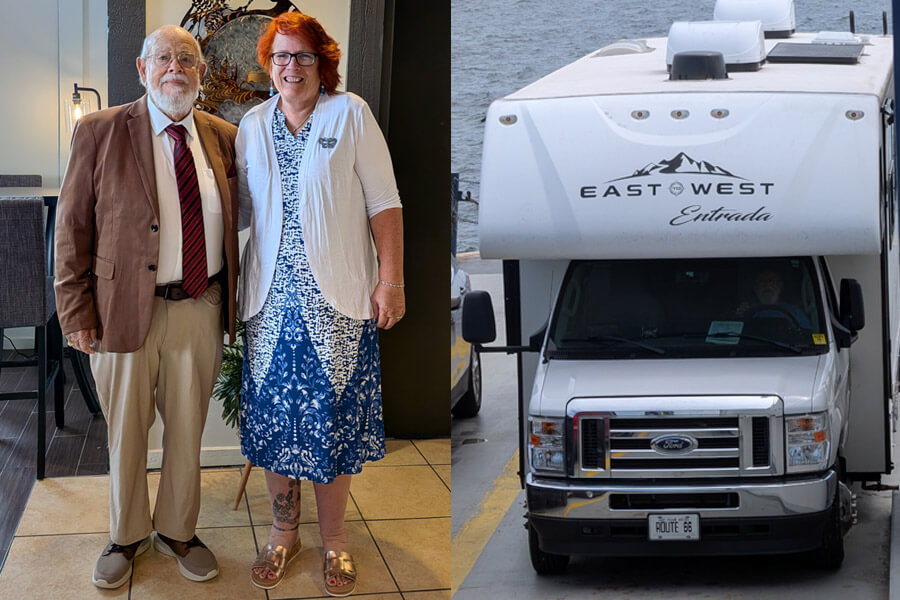
Starting Their Workamping Adventure in Alaska
The Cresses did not ease cautiously into Workamping. Their first assignment required driving their RV to Alaska.
They spent nearly five months working at a hotel and campground, where they served as hosts with another couple.
Many guests flew into Anchorage, rented RVs and received brief instructions before beginning their Alaskan adventures. Because some had never used an RV before, Mike often helped them understand how the equipment worked.
Getting to Alaska presented some challenges of its own. Because they needed to arrive in May, many campgrounds along their route through Canada were still closed. That meant boondocking most nights.
One night, their dog started barking around 2 a.m. When Liz looked outside, she discovered a black bear wandering around their RV.
They remained quiet until the bear eventually disappeared into the forest. The experience reinforced the importance of understanding wildlife in areas where Workampers live and travel, especially the need to avoid leaving food outside.
Exploring America Through Seasonal Workamping Jobs
Since Alaska, Mike and Liz have taken on a variety of assignments. For example, they worked as gatekeepers and hosts in Tucson, Arizona. The arrangement gave them opportunities to explore other parts of the state during their time off.
At a KOA in North Dakota, Liz worked in the camp store and handled reservations while Mike took care of grounds, hosting duties and helping guests to get parked.
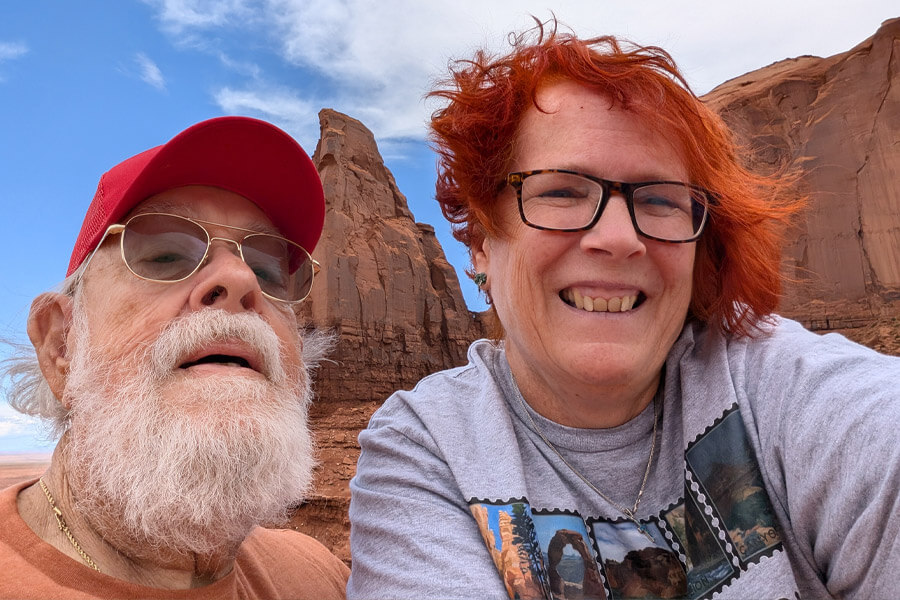
Their most recent assignment brought them to an RV resort near Hanksville, Utah.
The couple helped guests get settled, explained campground rules, sold ice, checked the campground’s water system and watered newly planted trees. Mike also gathered information about off-road trails and attractions so he could help guests plan their adventures.
With the RV park owners living about 400 miles away, Mike and Liz were essentially responsible for managing the campground during their shifts.
Their schedule of four days on and four days off provided something especially valuable to Mike and Liz – time to explore.
They specifically selected the Utah job because its location allowed them to visit many of the state’s parks and other attractions during their days off.
Choosing Workamping Jobs That Fit Their Lifestyle
After years of Workamping, Mike and Liz said they have not experienced a truly bad assignment. However, they don’t leave that outcome entirely to chance.
They research opportunities carefully before accepting positions.
Liz typically begins looking for summer assignments in the fall, when many employers start recruiting for the following season. Maintaining an active resume on Workamper.com has also helped the couple attract interest from prospective employers.
At times, the couple received inquiries from dozens of campgrounds. That allowed them to consider where they wanted to travel, what they wanted to do and how much time they would have for exploring.
Liz encourages Workampers to approach job searches from that perspective.
“You get out of the experience what you put into it,” she explained. “You just have to do your research carefully.”
That means looking beyond the destination.
Workampers should understand how many hours they will work, whether those hours are paid and what is included with the campsite. Couples should also determine whether they will have the same days off, especially if exploring together is important to them.
Mike and Liz are retired and do not need to work many hours, so they specifically seek jobs that fit their situation. However, they recognize other Workampers may want more hours and income.
Establishing Clear Expectations With Workamping Employers
One of Mike’s strongest recommendations is for Workampers and employers to create a written agreement before any assignment begins.
“We always write the basic contract so that both parties have an idea of what we’re supposed to be doing, and they know what we are willing to do,” he explained.
A written agreement establishes expectations and reduces the likelihood of misunderstandings after Workampers arrive.
Mike and Liz also encourage applicants to ask plenty of questions during interviews.
Liz has never worried that asking too many questions might jeopardize a job offer. In fact, she believes asking questions improves the chances of a successful Workamping experience. Before committing to spend several months at a location, Workampers should have a clear understanding of what will be expected of them.
“The more questions you ask, the more you know about the job,” she explained.
Mike noted that failing to ask questions can lead to unwelcome surprises and unhappy Workampers.
Preparing for the RV Lifestyle
Their experience has also taught Mike and Liz the importance of preparing for RV problems, even though they have been fortunate to avoid major equipment failures.
Liz recommends having some type of roadside assistance or warranty coverage to reduce unexpected out-of-pocket expenses. Mike stressed the importance of maintaining RV tires.
He also completed an RV maintenance course and has learned considerably more by helping other RVers with problems over the years.
Today, after owning everything from Class A and Class B motorhomes to a travel trailer and fifth wheel, the couple travels in a 34-foot Class C motorhome while towing a car. They believe that combination gives them the space they need without making it difficult to fit into campgrounds.
Looking back on more than a decade of Workamping, Mike and Liz wouldn’t change much about their journey. Even their decision to begin with an ambitious trip to Alaska turned out to be a rewarding experience.
Their advice to aspiring Workampers is simple: decide what kind of work you enjoy, research opportunities carefully and don’t be afraid to venture somewhere new.
For the Cresses, retirement hasn’t meant settling down in one place. Instead, Workamping has given them the freedom to maintain a home base in Florida while spending their summers discovering new destinations, making new friends and enjoying experiences that might otherwise have been limited to short vacations.
With so much of America still to explore, there’s always another adventure worth working toward.
Want to hear more about Mike and Liz’s Workamping adventures? Liz was one of our earliest guests on the Workamper Show podcast, appearing in Episode 3. We recently caught up with the couple in Episode 399 to hear more about their experiences and what they’ve learned along the way.



Leave a Reply