
This story is from episode 377 of The Workamper Show podcast Listen on our website or wherever you stream your favorite podcasts.
Jessica Peacock did not ease into the RV lifestyle…she ran toward it.
After dealing with a home in Colorado Springs that seemed to fall apart piece-by-piece, she decided there had to be a better way to spend her time and money. Instead of pouring more into repairs, she chose to invest that money into experiences.
“We’ve been full time RVing for three years now,” Jessica said.
That decision launched her and her fiancé, Blake, into a lifestyle that has taken them through 21 states, introduced them to new communities and opened the door to Workamping opportunities to support their travels.
“We absolutely love traveling, especially all the cool new places we end up visiting,” she said.
What Workamping Really Looks Like
Jessica and Blake’s experience shows that the Workamping lifestyle is flexible and varied, but sometimes unpredictable.
Over three seasons, they have taken on a wide range of roles including grounds maintenance, cooking, serving and bartending. In one role, Jessica found herself responsible for producing a high volume of meals in a short period.
“I never thought that I would be in charge of a cooking area that pushed out 400 meals in a couple of hours,” she explained.
Workamping often places people in unique locations, from small towns to scenic resorts, and the work can be as diverse as the surroundings. For Jessica, the biggest reward is not just the work, but the people she has met along the way.
“It’s so fun to meet these people who come from all over the world,” she said.
That sense of community, combined with the opportunity to explore new places, is what keeps many Workampers coming back season after season.
Creating Income on the Move
As their Workamping experience grew, Jessica and Blake began exploring ways to earn income beyond traditional Workamping roles.
While many Workamping jobs provide structure and steady income, they found additional flexibility through independent contractor work with RV Armor, a company that installs RV roof protection systems.
Instead of always staying in one place, she and her fiancé travel to customers and complete installations that typically take about a week.
“We are both certified to install the roofs,” she said.
The job allows them to control their travel route and choose where they want to go next. That’s a level of flexibility that aligns perfectly with their lifestyle.
“We basically tell the company what our routes are and where we want to go,” Jessica explained. “If there are jobs in the area, we are assigned to do those installs.”
That freedom is one of the biggest advantages of working as an independent contractor, but it also comes with important responsibilities.
Understanding 1099s vs W-2s for Workampers
One of the most important lessons Jessica learned came from a difficult traditional Workamping experience that highlighted the differences between 1099 contractor work and W-2 employment.
In a W-2 position, employers control schedules, handle tax withholdings and follow specific labor regulations. In a 1099 arrangement, workers operate as independent contractors, manage their own schedules and pay their own taxes.
Jessica feels some employers may use 1099 classifications in ways that blur legal lines to save on payroll costs, which can leave workers without protections they would otherwise have.
Her experience reinforced the importance of understanding how a job is classified before accepting it.
“When you’re in a 1099 position versus a W 2, there’s a lot of things that are different. It’s not just taxes,” Jessica said. “As an independent contractor, you can be working massive overtime and not receive any type of benefit.”
Those differences can catch people off guard, especially when it comes to taxes and overtime.
Check out our Knowledge Base article on understanding W-2 vs 1099 positions to learn more about why classification matters and what to ask before accepting a job.
Lessons Learned from a Bad Workamping Experience
Not every Workamping job turns out as expected, and Jessica and Blake’s most challenging experience became a clear reminder of that.
She described the situation as a series of disappointments, from unclear job expectations to misleading information about site amenities.
“It was just a complete bait-and-switch,” she said. “The working conditions were not like they were described.”
One of the biggest issues involved how tips were handled during a busy holiday weekend.
“I had made $400 in tips,” Jessica explained. “But, the firm pooled everyone’s tips and redistributed them to other workers, including managers, owners and their children. I wound up with just $65.”
The experience ultimately led Jessica and Blake to leave early, but it also gave them valuable insight they now share with others.
How to Avoid Common Workamping Pitfalls
Jessica believes many Workamping challenges can be avoided by asking detailed questions before accepting a position.
“If you’re afraid asking questions is going to put the employer off, then you probably don’t want to go there to begin with,” she said.
She encourages Workampers to clarify everything from work schedules and days off to what “full-hookups” actually include.
Keeping documentation, including job listings and offer letters, can also help protect workers if issues arise later.
Balancing Freedom and Responsibility as a Workamper
Despite the challenges, Jessica remains enthusiastic about the Workamping lifestyle.
Her upcoming position as a lead camp host at Lake Tahoe reflects the kind of opportunity many Workampers seek. The role includes overseeing operations, checking guests in and out, and ensuring the property runs smoothly.
She also continues to explore seasonal opportunities, including a potential winter position in Arizona, a state she quickly grew to love.
The flexibility to choose where to go next is a major advantage of Workamping, but Jessica emphasizes that the lifestyle is not as simple or inexpensive as some might expect.
“It’s not easy and it’s not cheaper,” she said.
From RV maintenance to fuel and travel costs, living on the road requires planning, budgeting and a willingness to adapt along the way.
Advice for Future Workampers
For people considering the lifestyle, Jessica offers a few hard-earned lessons.
First, understand your equipment. RV living comes with constant wear and tear, and being able to handle repairs yourself can save significant money.
“If you’re not handy, you better be rich,” she explained.
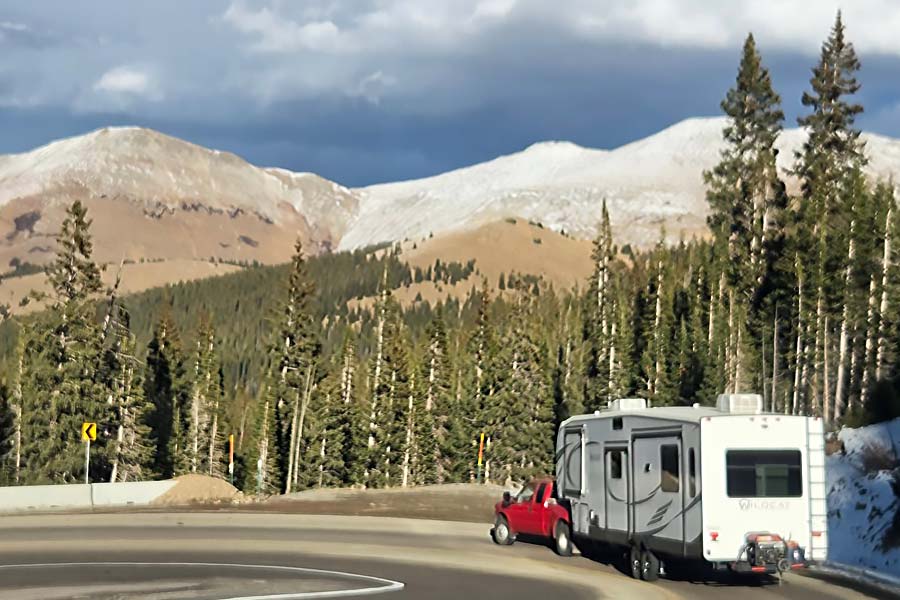
Second, take time to learn how to safely tow and manage an RV, especially when using larger rigs, like fifth wheels.
Finally, ask questions and trust your instincts when evaluating job opportunities.
“I would rather lose out on a job than end up with a bad employer,” she said.
A Lifestyle Built on Purpose
Jessica and Blake’s journey highlights the rewards and realities of Workamping. It offers freedom, travel and meaningful connections, but it also requires awareness, preparation and a willingness to learn from experience.
For them, the tradeoffs are worth it. By combining Workamping jobs with flexible income opportunities, they have built a lifestyle that allows them to see the country on their own terms.
For many Workampers, that is exactly the goal – and it starts with finding the right opportunities and making informed decisions along the way.
You can explore current Workamping jobs and learn more about getting started at Workamper.com.



Leave a Reply