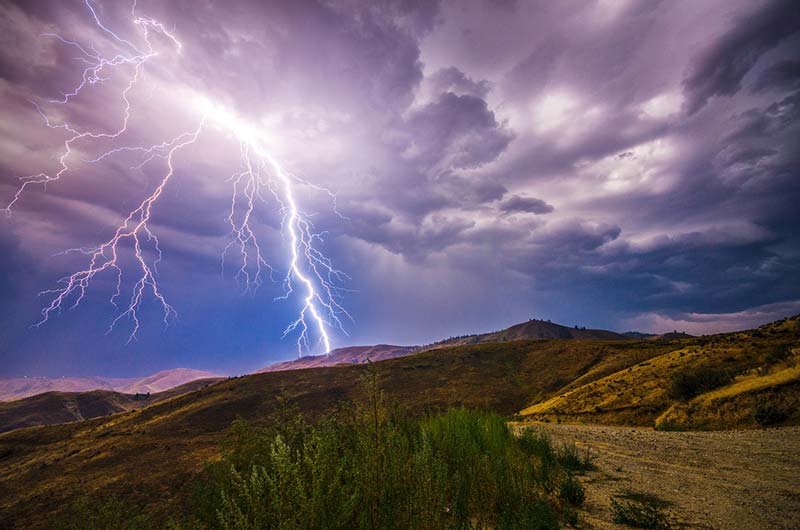
When job hunting, there are many questions we need to ask a Workamper employer about the job. These include duties, wages, hours etc. However, do you also consider the weather? Weather is one of the biggest variables Workampers deal with on the road.
From summer heat to winter storms, the conditions you face can affect not only your comfort, but also your job. Being prepared for seasonal changes makes Workamping more enjoyable and less stressful.
Tips for Dealing with Different Weather Conditions as an RVer
Bring Appropriate Clothing
RVs have limited storage space, so every clothing choice needs to be practical. Pack versatile items that can handle a range of conditions. Layering is your best friend in cold weather – a lightweight base layer, a warm mid-layer like fleece, and a waterproof outer shell will keep you comfortable without requiring bulky storage. Don’t forget rubber boots for muddy campgrounds, plus hats and gloves for those chilly mornings or sudden cold snaps.
In hot weather, covering up is just as important as staying cool. Lightweight, breathable fabrics like cotton or moisture-wicking blends will keep you more comfortable than exposing bare skin to the sun. Long sleeves and wide-brimmed hats provide protection while still allowing airflow. A light rain jacket is also worth the space – storms can roll in quickly, and being prepared keeps you working (and relaxing) comfortably no matter what the weather brings.
Protect Your RV
In extreme hot climates, don’t turn your air conditioner down too low. The contrast between your RV and the outside makes it more difficult to leave the rig. I worked in Bull Frog, Utah, where summer temperatures were 105 degrees and up. After work, once we got in the air conditioning, you could hardly pry us out. The outside air felt much hotter.
Protect your tires. When parked for your job, cover your tires to avoid sun damage. Apply a coat of wax on your RV and tow or towed vehicle for protection against sun damage.
Don’t leave awnings out when you are away. Many places have strong or unpredictable winds.
In hurricane or tornado country, have a plan for safety and/or evacuation.
Dealing With Pets
If you accept an assignment with extreme temperatures, make sure you’ll have an electric hookup and can leave your air conditioner or heater running while gone.
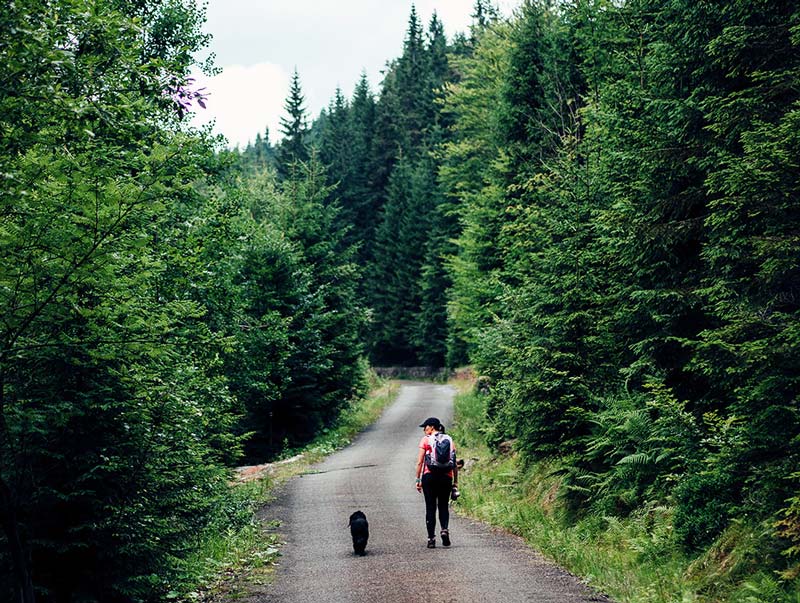
Walk your pet when temperatures are cooler like early morning or at sunset. If you must walk them when the sun is blazing, be mindful of hot pavement which could burn their paw pads – try to keep them on grass if possible. In cold climates, keep their coat longer to help act as insulation.
Look into monitoring systems that can alert you on your mobile phone if the temp or humidity goes outside of a preset range. These systems are invaluable when you are away from your RV and have pets inside. If the power goes out while you are away, it doesn’t take long for the summer heat to increase the temp inside your RV to an uncomfortable or even deadly range for your pets.
Health Concerns
Drinking plenty of water is always important, but even more-so in high temperatures. Carry a water bottle and drink frequently. When working in 115-degree temperatures at Bull Frog, I found that increasing my intake of salt at lunch made a huge difference in my energy level. Drinking an electrolyte drink may help too. If you have medical issues, discuss this with your doctor first.
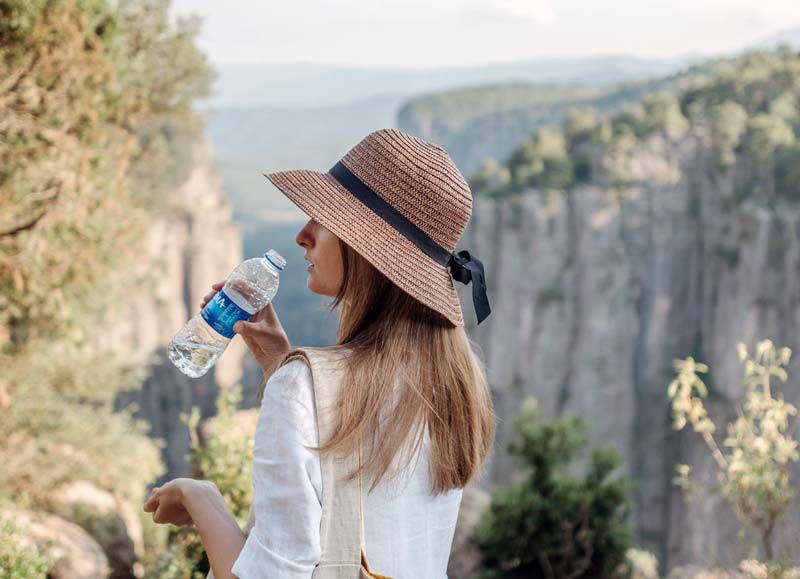
Use sunscreen, particularly at high altitudes where the sun is more intense – or at least be sure to keep your skin covered and wear a hat.
Do grey days and rain depress you? Consider a SAD (Seasonal Affective Disorder) light. Google “SAD lights” for small, portable units.
If you have heart or lung problems, higher elevations could make breathing difficult. Talk to your doctor first. If you accept the job, arrive a week or so early to acclimate.
My first job was in the Grand Tetons at 7,000+ feet. Coming from sea level, I got out of breath walking up the slightest incline. It took several weeks to get used to the thinner air. Be patient with yourself and allow time to adjust. If your breathing doesn’t improve, move to a lower elevation.
Do certain plants or other allergens bother you? Find out if that will be an issue. Be prepared with necessary medication just in case.
Attitude Is Everything
We have gotten so used to air conditioning and heating, we’ve become spoiled and find extremes of weather to be uncomfortable. However, experiencing different areas along with their climates is why we are on the road.
It does make it easier if you know what you are getting into. In mountain areas, you could very well have snow on the 4th of July. If you were picturing laying out in the hot sun and dipping into a pool, you could be very disappointed, especially if you don’t like cold. Realizing that could be the reality allows you to mentally prepare and focus on another activity that could be fun or unique to that place.
In all fairness to your partner, refrain from constantly complaining. One of my most important RV dreams was to work in Alaska. It was every bit as gorgeous and wonderful as I had hoped. However, we had a fair amount of rain when we first arrived and then, rain nearly every day from mid-August until we left around the first of October.
Yes, mildew grew, everything was damp, and we rarely saw the sun. It wasn’t ideal and my husband, Bill, complained almost constantly. Though he had agreed to work in Alaska, that sure put a negative damper on my experience.
In our case, a SAD light might have helped, but attitude is more critical. If you have a commitment to stay, the weather is not something you can change. Why waste energy complaining? Instead, focus on the positives of the experience. Even for Bill, there were many.

Researching Weather Before You Commit
If you do have difficulty with certain conditions, then it’s best to find out before you accept the position and figure out how you will deal with it or choose a different location.
- Ask questions of the employer during the interview.
- Read Workamper Experience reviews on the Employer Profile pages on Workamper.com to see if anyone mentions the weather.
- Check out WeatherUnderground for historical data.
- Check the tourist center in the nearest town. They often have weather statistics included in relocation packets.
- Talk to your doctor if you have a health condition that could be affected.
No matter where you travel, weather will play a role in your Workamping experience. By planning around the seasons and preparing for changing conditions, you’ll stay safer, healthier, and more comfortable on the job. Whether you’re chasing cooler summers, avoiding winter storms, or simply adjusting your daily routine, learning to work with the weather – not against it – will make your Workamping journey that much more rewarding.



Leave a Reply