When it comes to Workamping, one of the first big decisions is choosing the right RV. After all, your rig isn’t just transportation – it’s your home and sometimes your office, too. But what’s the best RV for Workamping? The answer depends on your budget, travel style, and the type of work you’ll be doing.
Let’s break down the most common RV types and explore their pros and cons for Workampers.
Motorhomes (Class A, B, and C)
Pros
- All-in-one setup: living space and engine combined.
- Easy to set up at campsites (no hitching/unhitching unless you have a vehicle in tow).
- Class B vans and small Class Cs are nimble for frequent moves.
Cons
- Typically more expensive to buy and maintain.
- When it needs service, your whole “house” goes into the shop.
- Lower fuel efficiency compared to towables.
Best for Workampers who want convenience and may not stay in one spot for very long.
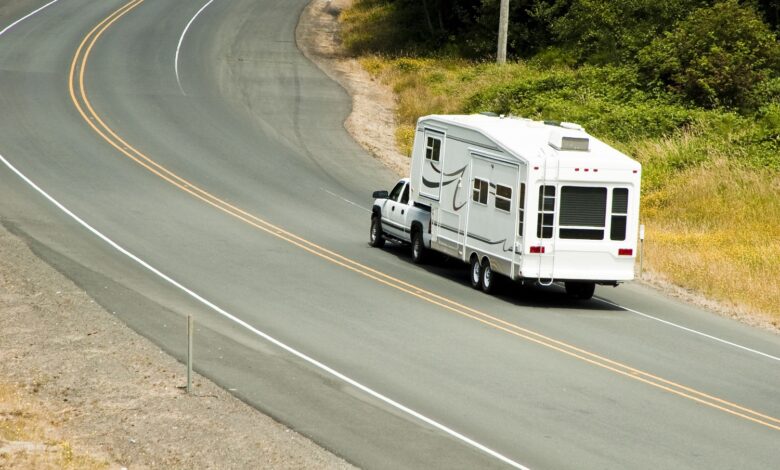
Fifth Wheels
Pros
- Spacious floorplans with high ceilings and residential-style layouts.
- Tow vehicle can be used separately for errands or exploring.
- Often includes ample storage for tools and gear.
Cons
- Requires a heavy-duty truck with a special hitch.
- Less nimble than smaller RVs – better for seasonal or long-term stays.
- High upfront cost (truck + trailer).
Best for full-time Workampers who want comfort and plan to stay in one place for months at a time.
Travel Trailers
Pros
- Wide range of sizes and price points.
- Can be towed by many types of trucks or SUVs (depending on weight).
- Tow vehicle is free to use after unhooking.
Cons
- Smaller models may feel cramped for long-term living.
- Larger trailers can be challenging to tow and park.
- Quality varies widely – careful research is needed.
Best for Workampers on a budget or those who want flexibility without investing in a big truck.
Truck Campers and Vans
Pros
- Compact and mobile – great for frequent moves.
- Can access places larger rigs can’t.
- Lower upfront cost compared to big rigs.
Cons
- Very limited living space.
- Minimal storage for supplies or gear.
- Not ideal for long-term stationary work.
Best for solo Workampers or couples who value mobility and minimalism.
So, What’s the Best RV for Workamping?
The answer is – there isn’t one “best RV” for Workamping! You need to acquire the age, type and length of RV that meets your needs – your budget, your travel style, your physical capabilities, and your living preferences.
If you want space and comfort, a fifth wheel might be your best bet. If mobility and convenience matter more, a motorhome or van could be ideal. For those seeking balance between cost and flexibility, a travel trailer often makes sense.
The key is to match your RV choice with your budget, work type, and travel goals. Before buying, consider renting different RV types or talking to other Workampers about what works for them.
According to our 2022 Workamper Survey results, about 60% of Workampers have a towable (fifth wheel or travel trailer) and 40% have a motorhome (Class A, B, C).
Most Employers anticipate that a Workamper will be arriving in a hard-sided RV (motorhome or trailer) that can handle the weather and environment of the location – where you can manage things like cooking for yourself and maintaining your hygiene. The Employer wants you to be comfortable and safe in your living arrangements.
Other Considerations when Choosing an RV for Workamping
Age will matter at some RV parks – if they have a 10-year rule for their customers, they may also enforce it with their Workampers. If you have an older unit, but it has been restored or maintained, often times just sending photos of your RV for prior approval will suffice.
The length of your RV may be a factor in some types of Workamper jobs. For example, some government-operated campgrounds have smaller RV sites (like 30′ or less), and some national parks have too low of bridges or length-limits for the roads within their park.
Just be sure to get the details on the size of the RV site and route there before accepting a position with an Employer. Some Employers have separate camping areas for their Workampers, and these RV sites may be larger than the sites available to camping guests.
Having an unconventional rig (like a tent, pop up, converted box truck, school bus, or car) will limit your opportunities, especially in commercial RV parks. However, there are plenty of opportunities for Workampers in which the type of RV does not matter.
Even if you are interested only in Workamping at RV parks, not all owners and managers are closed-minded on this subject. Also, in some cases, housing (like an apartment, cabin, mobile home, or dormitory) is provided.
Workamping is as much about the lifestyle as it is about the work. The right RV will make your Workamping lifestyle a smoother, more comfortable, and more rewarding experience. Don’t worry about finding the “perfect” rig – focus on finding one that supports the way you want to live and travel. With the right setup, you’ll be free to focus on what really matters: the adventures and opportunities that come with life on the road.



Leave a Reply