Buying an RV can be a gateway to freedom and adventure, but only when everything is working as expected. Rob Wilhelm, a National RV Inspectors Association (NRVIA) Master Certified Inspector from Illinois, emphasizes that careful evaluation of an RV is critical to ensuring a successful and enjoyable experience. From pre-purchase inspections to understanding how an RV’s systems work, Rob provides invaluable insight to help new and experienced buyers and Workampers get off to a great start.
The Essential First Step: Pre-Purchase RV Inspection
Rob underscores the importance of a pre-purchase RV inspection as an essential step to avoid potential problems.
“Whether buying a new or used RV from a dealer or a private seller, hopefully, the buyer got an independent pre-purchase inspection,” he said. “Such inspections are critical for identifying hidden defects or mechanical problems before a purchase is finalized.”
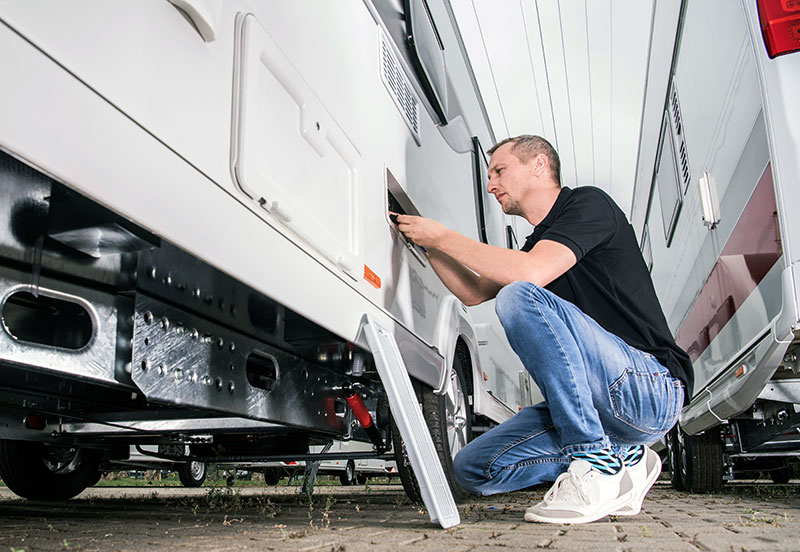
NRVIA-certified independent inspectors are trained to evaluate an RV thoroughly, ensuring it is in sound condition, especially all safety equipment and structural components that may go unnoticed during a typical walk-through. Even buyers who have already finalized a sale can benefit from an inspection.
“It can be done after the fact. You may not always like what we have to tell you, but at least you’ll know what you have and what you need to deal with,” Rob explained. “Most inspections identify lists of issues that need to be addressed, but at least the owner can prioritize what needs to be taken care of first.”
An Introduction to RV Systems and Components
Walk-through evaluations, whether conducted at a dealership or during a private sale, are crucial opportunities for buyers to familiarize themselves with their RV’s systems. However, the amount of information provided during a walk-through can feel overwhelming, almost like trying to drink from a firehose.
Rob encourages buyers to take as much time as necessary during this process, even if pressured by a seller to finish quickly.
“Take as long as you need,” he said. “Don’t let a private seller or dealership say you’ve only got an hour and a half.”
During the walk-through, Rob recommends asking detailed questions about key systems like sewer drains, bypass valves, water tanks, and electrical systems.
“RV systems are far more complex than those in a typical house,” he explained. “The more answers you get during a walk-through, the easier life will be when you start using the systems on your own.”
Taking notes or recording the session is a good idea to ensure nothing is overlooked.
RV Safety Tips: Know Your Equipment
Every RV includes critical safety systems. It’s essential for owners to familiarize themselves with safety equipment like fire extinguishers, smoke detectors, propane (LP) detectors, and carbon monoxide detectors. For motorhomes, understanding seatbelt placement and operation is equally important.
“Know where those emergency exit windows or doors are and how to operate them,” Rob advised. “Understanding how safety systems function and what to do when an alarm goes off could save lives in an emergency.”
Safety equipment in used RVs may be outdated, making it important to test each device and replace any that are no longer functioning properly.
“A lot of detectors are only rated for five years,” Rob noted. “Fire extinguishers should also be inspected and replaced if used or older than 10 years, as recharging can sometimes be less practical than purchasing a new unit.”
Rob emphasized the importance of knowing how to operate fire extinguishers and other safety equipment.
“What’s the point of having a fire extinguisher if you don’t know how to use it?” he asked.
Plan a Shakedown Trip Before Hitting the Road
A shakedown trip is an invaluable way to test an RV before embarking on a major journey. Rob suggests that owners don’t even need to leave their driveway to conduct a shakedown.
“You can give yourself more time to go through things,” he said. “The goal of a shakedown trip is not necessarily to relax or have fun, but to learn the ins and outs of the RV.”
During the shakedown, test every system – water, electrical, heating, and cooling – and ensure you know how to operate each component. Make note of any questions or concerns.
“It’s about learning how that unit works,” Rob said. “Even experienced RVers should take the time to familiarize themselves with a new model.”
A shakedown trip also helps identify essential supplies and equipment that may need to be purchased, such as hoses, filters, adapters, and leveling blocks.
“You don’t want to find out you’re missing something when you’re hours away from home,” Rob explained.

Look Beyond the Floor Plan: Inspect the RV’s Structure
Many buyers are drawn to an RV’s floor plan or aesthetic appeal without considering its structural integrity. Rob describes this as a common mistake, emphasizing the need to evaluate an RV’s “bones.”
“Inspections should include a thorough review of the undercarriage, suspension, and tires, as well as welds and accessible structural components,” he explained. “New buyers are typically looking at the floor plan and how it looks. They’re not focused on the bones of it.”
Certified inspectors can identify issues that an average buyer might overlook, such as missing suspension parts or poorly welded joints, which could pose significant safety risks.
RV Tow Vehicle Compatibility: Don’t Overlook This Critical Detail
For those considering a towable RV, Rob highlights the importance of ensuring the tow vehicle is properly rated for the RV’s weight and size. Many buyers do not fully understand the complexities of weight distribution and towing capacity.
“Not everything can tow everything,” he said. “Mismatched vehicles and trailers can lead to serious problems.”
Researching your tow vehicle’s specifications before purchasing an RV is essential. You need to know things like gear ratios, payload capacity, and tongue weight. Rob cautioned that some salespeople may not be fully informed about the specifics of towing, leading buyers to discover their vehicle is inadequate only after making the purchase.
Good RVing Experiences Require Preparation
RV ownership can be incredibly rewarding, but it requires preparation and ongoing effort to remain enjoyable.
“It’s most enjoyable when you have a good understanding of how everything works,” Rob said. “Don’t just look at the bling…look deeper.”
If you ever feel overwhelmed during the buying process, reaching out to a certified inspector can provide peace of mind.
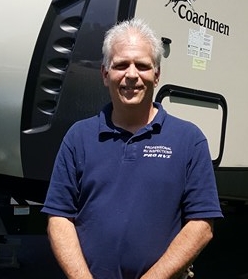
To connect with Rob, visit www.prorvi.com. Based near Chicago, he typically helps RV buyers throughout the Midwest.



Leave a Reply