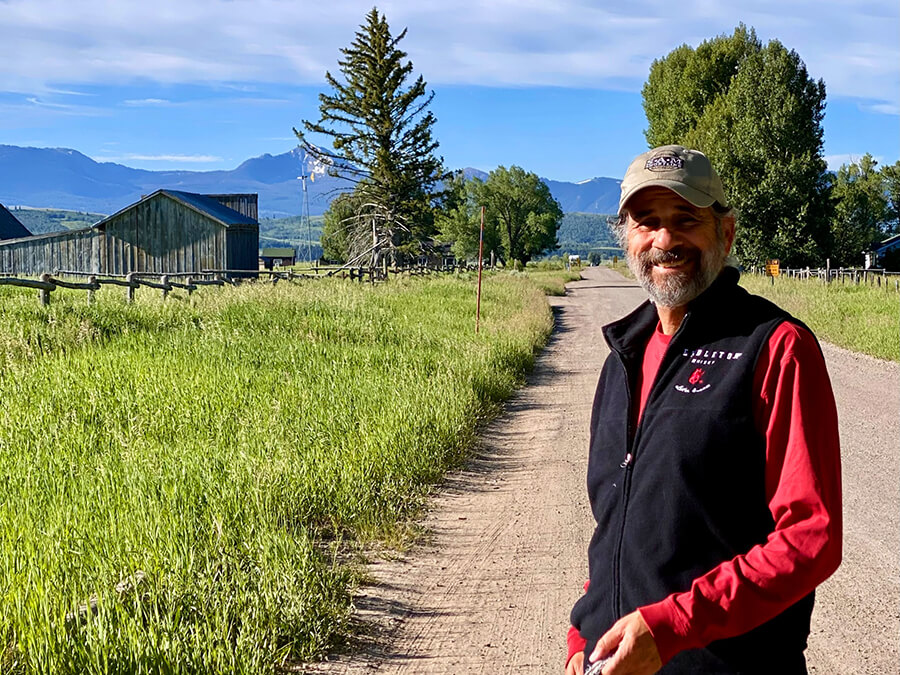
Sam Gennawey did not drift into the RV lifestyle. He chose it deliberately – driven by clarity, independence, and a desire to shape the next chapter of his life on his own terms.
“As I got older, I started looking at what my future was going to be and decided I needed to take more control over it,” Sam explained.
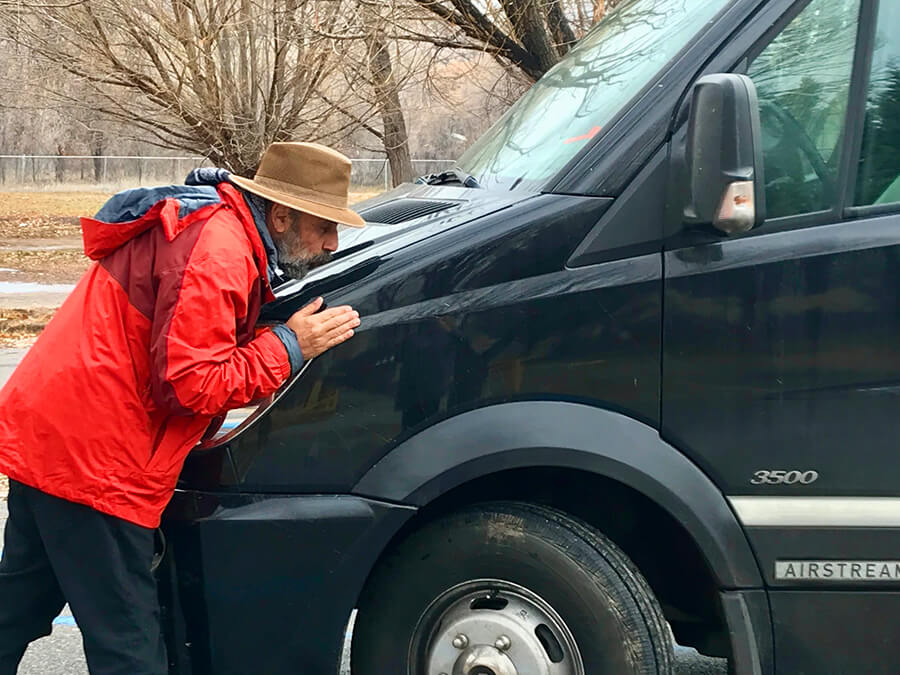
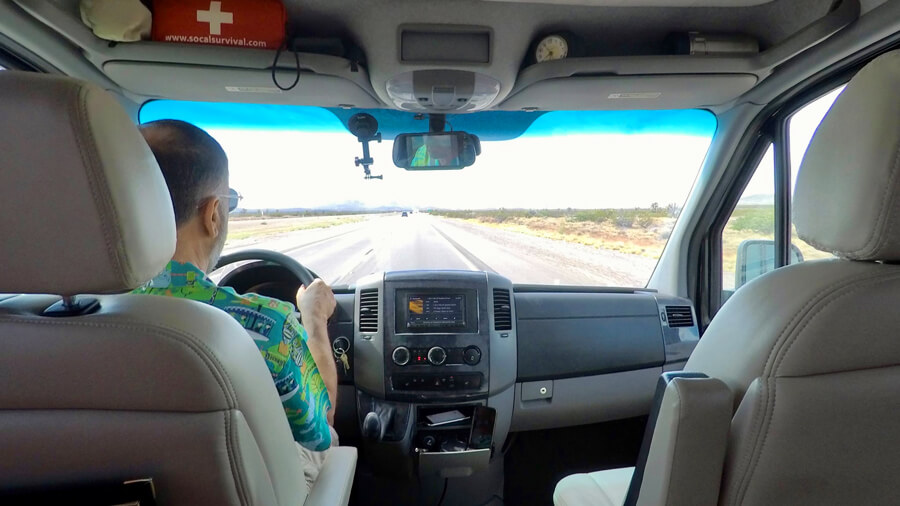
That decision led him to life on the road more than seven years ago. Since then, he has traveled nearly 200,000 miles in a 2012 Airstream Interstate touring van he calls Darlene, exploring 48 states and staying in some of America’s most remarkable public lands.
Before embracing full-time RV living, Sam worked as an urban planner and consultant. His career required constant travel for interviews and site visits – travel he unexpectedly came to love.
“I loved the drive and loved the journey,” Sam said. “Then I’d get to the interview, look at where my office would be, and think, just shoot me now.”
That realization clarified what truly energized him: movement, not permanence.
Choosing the Van Life Minimalist RV Lifestyle
Rather than retire to a single location and travel occasionally, Sam decided to bring his home with him.
“If you are retired and living in an apartment, but traveling most of the time, you are paying for a house you are never in,” he said.
That insight pushed him toward a minimalist RV lifestyle built around flexibility, exploration, and financial sustainability.
Sam’s black touring van is compact and discreet, fitting easily into standard parking spaces and allowing him to boondock in both urban and rural environments.
“I can go find dark corners and just hide the van there,” he said.
With limited solar capacity and a generator he rarely uses, Sam relies on driving to recharge his batteries and carefully managing power consumption.
“If I drive an hour or so, I can get enough power for two nights,” he explained.
That simplicity eliminates reliance on RV parks. One of his favorite overnight strategies is surprisingly unconventional: minor league baseball parks.
Sam arrives early, watches a game, enjoys the cool evening air, and then asks security if he can stay overnight.
“Virtually every park has said yes,” he said.
Living this way requires discipline and intentional limits.
“You can’t have much stuff,” Sam said. “If something new comes into the van, something old has to go.”
Volunteer Workamping at State and National Parks
Rather than pursuing traditional paid Workamping jobs, Sam found a path that aligned more closely with his values: volunteering at public parks through the National Park Service VIP program.
In exchange for 24 to 32 hours of volunteer work each week, participants typically receive a free RV site, electricity, and often propane.
“I live and work there,” Sam said. “I get all my utilities and, sometimes, even propane.”
Sam usually commits to a park for about two months – a schedule that helps reduce fuel costs and wear and tear on his van, while still allowing him to fully immerse himself in each location.
Over the years, he has volunteered at iconic destinations including:
- Big Bend National Park
- Death Valley National Park
- Sequoia National Park
- North Cascades National Park
- Aztec Ruins National Monument
- Humboldt Redwoods State Park
- Grand Portage National Monument
His roles have included campground host and interpretive volunteer – positions that often come with rare access and meaningful experiences.
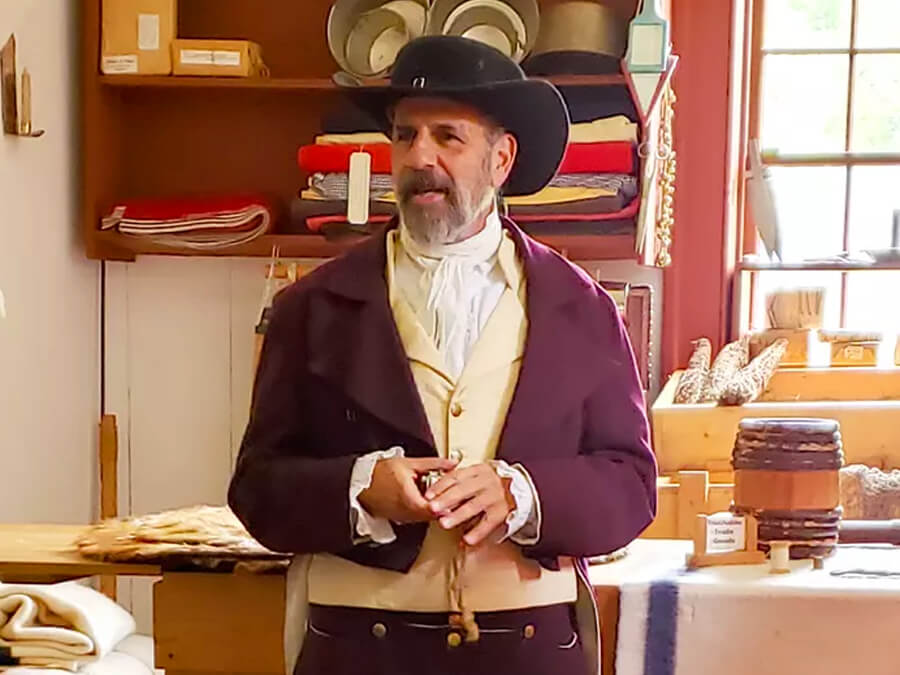
“They want us to experience all aspects of each park – I had access to the libraries, ranger training, and places visitors never see,” Sam said.
At Big Bend, he floated the Rio Grande and explored backcountry areas in government vehicles. At North Cascades, volunteers were given monthly field days to explore restricted sections of the park.
Living inside national parks has given Sam a deeper appreciation for how these landscapes are intentionally designed.
“You live inside the story of the place,” he explained.
A less obvious benefit of Workamping at state and national parks is they provide a sense of security when traveling alone.
“If something happens to me, EMTs are nearby,” Sam said. “That peace of mind matters when you live this lifestyle.”
Financial Discipline in Van Life: Building Long-Term Sustainability on the Road
Sam describes himself as frugal – not cheap – and financial discipline is central to his long-term success.
“I budget $45 a day,” he said.
That daily budget covers food, fuel, and telecommunications. Insurance and major repairs are paid from savings. When volunteering, his monthly expenses can drop as low as $500.
Movement increases costs; staying put keeps them low. That balance has allowed Sam to cover major repairs without tapping long-term reserves.
“I paid for new brakes and a windshield out of my daily budget,” he said.
Entertainment is simple and intentional. Sam hikes, reads, and explores towns on foot. Books are his one indulgence, often purchased at library sales and passed along when finished.
The Realities of Full-Time RV Life
Despite the freedom, Sam is clear that RV life is harder and more expensive than people think.
Mechanical issues are constant, weather can be punishing and extreme heat is often more difficult than cold. Sam has learned to plan carefully and adapt quickly.
“There is always something breaking,” he said.
Sam also acknowledges the stigma full-time RVers sometimes face when others mistake the lifestyle for homelessness. Still, he believes the rewards far outweigh the difficulties.
“I have lived in these amazing places,” he said. “You cannot do that any other way.”
In addition to traveling, Sam is an accomplished author with five published books, including works on Disney, Universal Studios, and the National Park Service. His most recent book, Sacred Landscapes: One Van Lifer’s Six-Year, 175,000-Mile National Park Journey, explores how national parks are designed to shape visitor experience.
“There is a portal you pass through when you enter a national park,” Sam said. “Your brain relaxes and absorbs the story.”
That curiosity fuels both his writing and his travels.
Advice for Aspiring Workampers
When asked what advice he would give to those considering RV life or Workamping, Sam emphasizes honest self-assessment.
“You have to enjoy being alone,” he said.
For those who prefer more social interaction, he recommends paid Workamping jobs that offer built-in community. Even then, he urges realistic expectations.
“No matter how much you prepare, it will be harder than you think,” Sam said. “You have to be a bison. Bison walk into storms rather than away from them, shortening the struggle. That’s how you get through this lifestyle.”
Sam shares photos and reflections from the road on Facebook, offering a glimpse into a life shaped by curiosity, resilience, and purpose. You can connect with him at www.facebook.com/sam.gennawey.
For Sam Gennawey, the journey continues – one park, one mile, and one intentional choice at a time.
Sam’s journey is a reminder that van life and Workamping are not about escaping responsibility – they’re about choosing it intentionally. Whether you are drawn to volunteering in national parks, pursuing paid Workamping positions, or designing a more flexible life on the road, having the right tools and connections matters. A Workamper.com membership helps turn inspiration into action, offering trusted job listings, education, and real-world insight from people living this lifestyle every day. If Sam’s story sparked something in you, the next step may be closer than you think.



Leave a Reply